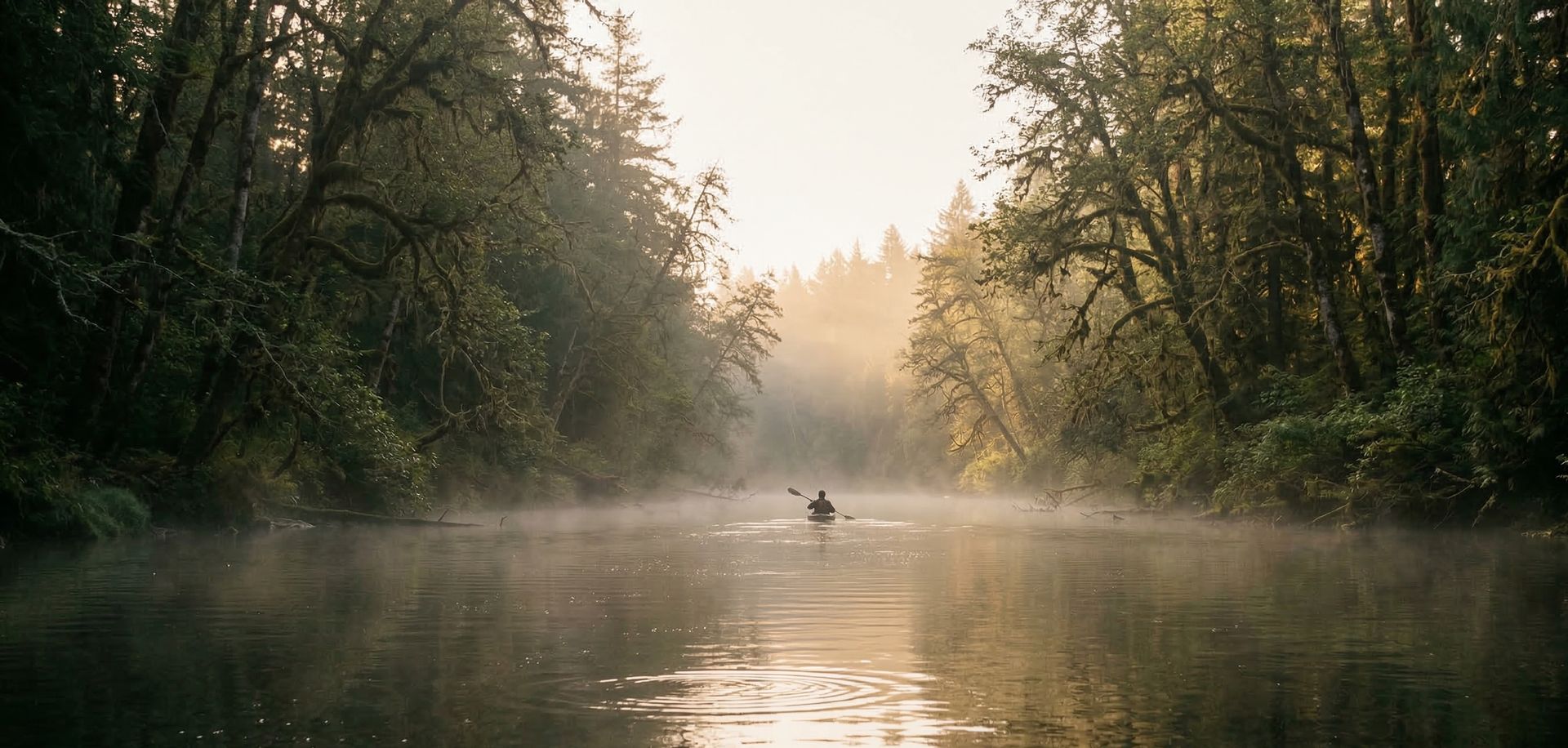
Winter paddling opens up a different world on the water. While northern rivers freeze and mountain lakes turn solid, southern waterways offer some of their best conditions of the year. You'll find fewer crowds, cooler temperatures that make long paddles comfortable, and wildlife that's more active during the milder months.
The key to great winter kayaking is choosing the right locations. Focus on areas with consistently mild temperatures, protected waters, and reliable access. Southern states like Florida, Texas, Arizona, and California deliver excellent winter conditions, while northern paddlers can plan warm-weather trips or embrace cold-water paddling with proper gear.
Best Winter Destinations
California Coast and Bays
California's coastal waters stay relatively warm through winter, making them ideal for year-round paddling. Mission Bay - South Shores, near San Diego, CA offers protected bay waters perfect for beginners, with calm conditions and easy beach launches. The bay's sheltered coves provide relief from ocean swells.
Shelter Island, near San Diego, CA in San Diego Bay delivers stunning city views and protected paddling. Launch fees are minimal, and the area features multiple put-in points. For San Francisco Bay paddling, Martin Luther King Jr. Regional Shoreline, near Oakland, CA provides easy access with good parking and facilities.
Pier 54 & Pier 52, near San Francisco, CA offer urban paddling experiences with excellent amenities. The protected waters here work well for winter sessions when ocean conditions get rough.
Florida Waters
Florida shines during winter months when temperatures drop into the comfortable 70s and 80s. Arlington Road Public Boat Ramp, near Jacksonville, FL provides river access with minimal current, making it perfect for leisurely winter paddles. The launch area includes parking and basic facilities.
Pelican Harbor Park Boat Ramp, near Miami, FL opens up bay paddling with protection from ocean waves. Winter brings some of the clearest water conditions of the year here. For creek paddling, Snapper Creek Canal ( C-2 ) at SW 97th Avenue, near Miami, FL offers narrow waterway exploration with interesting urban wildlife viewing.
Florida paddling locations stay active year-round, but winter provides the most comfortable conditions for long paddles.
Arizona Desert Waters
Arizona's desert lakes and creeks offer unique winter paddling when temperatures cool from summer's extreme heat. Lakeside Park (Tucson), near Tucson, AZ features a small lake that's perfect for skill practice and short paddles. The mountain backdrop provides stunning scenery during cooler months.
Kennedy Park Creek, near Tucson, AZ gives you creek paddling in an unexpected desert setting. Water levels can vary, so check conditions before heading out. Winter months typically offer the most reliable flows.
Texas Lakes
Texas lakes provide excellent winter paddling when summer heat gives way to mild temperatures. Walsh Boat Landing, near Austin, TX offers lake access with good facilities and protected coves for exploring. The area stays busy with winter visitors escaping colder climates.
Mary Quinlan Park, near Austin, TX features easy lake access with multiple launch points. Winter brings clearer water and more comfortable paddling conditions. Lynn Creek Park Marina, near Arlington, TX provides full-service marina access with rental options if you're traveling without your own gear.
What to Pack for Winter Paddling
Layer your clothing system for changing conditions throughout the day. Start with moisture-wicking base layers, add insulating mid-layers, and top with a wind-resistant or waterproof outer shell. Avoid cotton materials that stay wet and lose insulating properties.
Bring extra dry clothes in a waterproof bag. Even in warm climates, getting wet can lead to rapid heat loss. Pack a warm hat, gloves that work when wet, and extra socks. A thermos with hot beverages helps maintain body temperature during breaks.
Sun protection remains critical in winter. The sun reflects off water surfaces, and cooler air temperatures can mask UV exposure. Pack sunscreen, sunglasses, and a hat with a brim. Winter sun can be deceptively strong, especially in southern locations.
Don't forget safety gear specific to cooler conditions. A whistle works better than voice calls in cold air. Carry a headlamp since winter days are shorter. Pack hand warmers for emergency situations or extended time on the water.
Winter Safety Tips
Check water temperatures before your trip, not just air temperatures. Water below 60°F requires special consideration for immersion protection. Even in warm climates, water temperatures can be significantly cooler than air temperatures during winter months.
Plan for shorter daylight hours by starting earlier and finishing with plenty of light remaining. Winter weather can change quickly, turning a pleasant paddle into challenging conditions. Monitor weather forecasts carefully and have backup plans for shelter.
Tell someone your paddling plan, including launch location, intended route, and expected return time. Cell phone coverage can be spotty on remote waters, making communication with shore contacts essential for safety.
Consider paddling with others during winter months. Group paddling provides mutual assistance if conditions deteriorate or someone has equipment problems. Solo paddling requires extra preparation and conservative decision-making.
Stay closer to shore and avoid long crossings in winter conditions. Cold water reduces your survival time if you end up swimming, making quick self-rescue or assisted rescue more critical.
Frequently Asked Questions
Can I kayak in winter if I'm a beginner?
Yes, winter can be ideal for beginners in warm climates. Choose protected waters like bays or lakes rather than rivers or ocean areas. Start with shorter trips and always paddle with others when learning. Find a launch point suited for beginner skill levels.
What water temperature is too cold for kayaking?
Water below 60°F requires careful consideration and proper gear. If water temperature plus air temperature equals less than 100°F, treat it as cold water and dress for immersion. Always wear appropriate thermal protection in these conditions.
Do I need a wetsuit for winter paddling?
In warm southern waters, you may not need a wetsuit if both air and water temperatures stay above 70°F. However, pack extra dry clothes and layers for comfort. In cooler conditions, a wetsuit or dry suit becomes essential safety equipment.
Are there fewer wildlife viewing opportunities in winter?
Actually, winter often provides excellent wildlife viewing as animals concentrate around water sources and migrate to warmer areas. Many birds are more active during cooler parts of the day, making winter paddling great for nature observation.
Should I avoid ocean paddling in winter?
Ocean conditions vary greatly by location and weather patterns. Winter storms can create larger swells and more challenging conditions. Stick to protected bays and harbors unless you have advanced skills and appropriate gear for ocean paddling.
Keep Reading
Where to Kayak This Fall: Best Fall Destinations
Discover the best fall kayaking destinations across the US. Find cooler temperatures, fewer crowds, and perfect paddling conditions.
Read articleWhere to Kayak This Spring: Best Spring Destinations
Discover the best spring kayaking destinations across the US. From Texas lakes to California bays, find perfect launch points for your season.
Read article