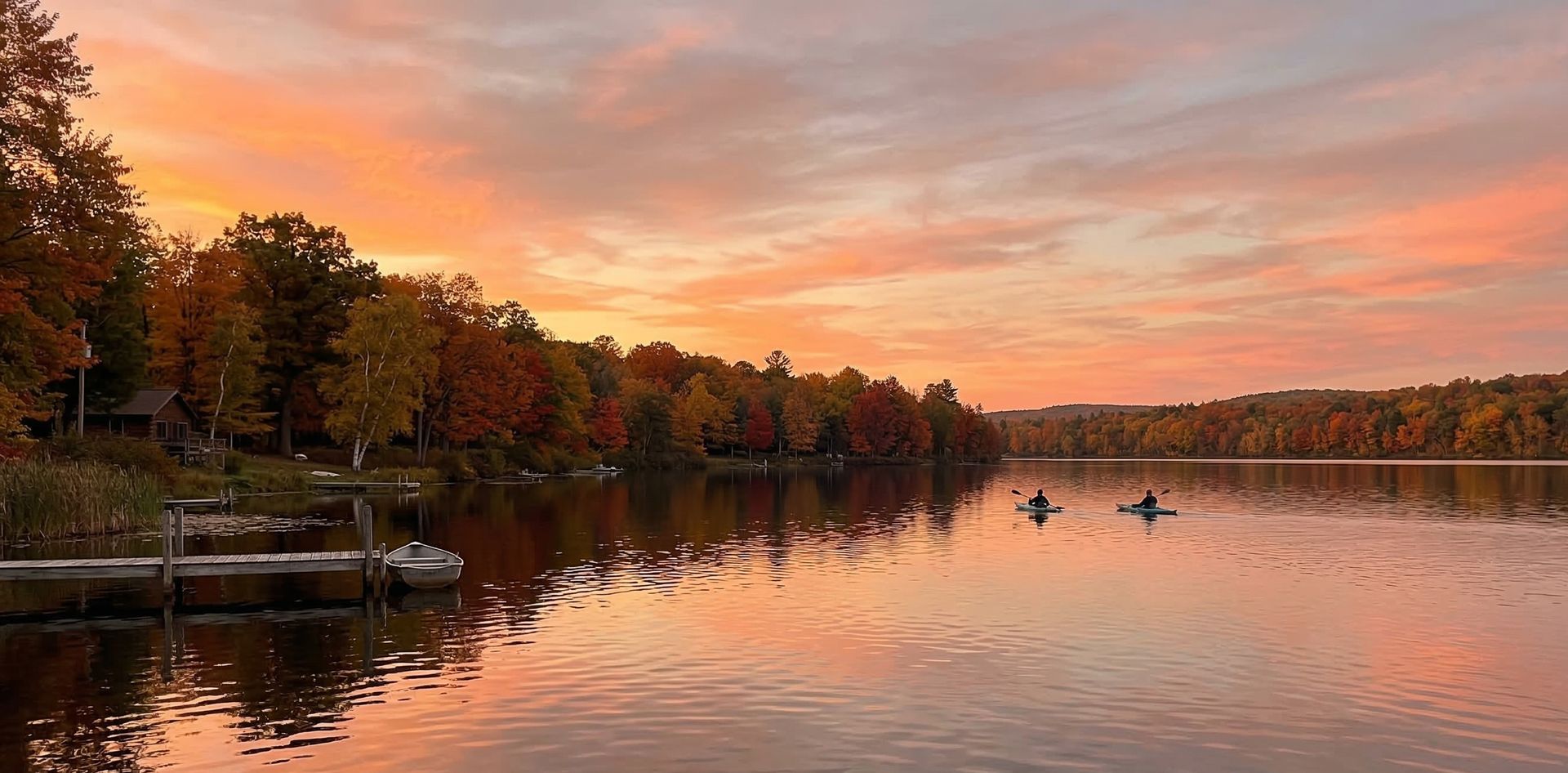
Fall delivers some of the year's best paddling conditions. Cooler temperatures make long days on the water comfortable, summer crowds thin out, and changing foliage creates stunning backdrops for your adventures.
You'll find calmer waters as recreational boating season winds down. Morning air temperatures in the 50s and 60s feel perfect when you're working up a paddle-powered sweat. Water temperatures stay warm enough for comfortable swimming through October in most regions.
The season brings practical advantages too. Parking becomes easier to find, launch sites get less crowded, and you can often explore popular spots without the summer rush. Just expect shorter daylight hours and pack accordingly.
Best Fall Destinations
Southeast Waters
Florida's paddling season hits its stride in fall. Lowry Park Public Boat Ramp, near Tampa, FL on the Hillsborough River offers easy access to downtown Tampa's quieter waterways. The river stays warm enough for swimming well into November.
Head to Pottsburg Creek Public Boat Ramp, near Jacksonville, FL for protected creek paddling near Jacksonville. This tidal creek winds through salt marshes where you'll spot herons, egrets, and maybe a manatee. Launch two hours before high tide for the best water levels.
Tennessee's fall colors peak in October, making it prime time for Hartman Park, near Nashville, TN on Stones River. This gentle creek suits beginners and offers great wildlife viewing. Water levels stay consistent through fall, and the tree-lined banks create a natural windbreak.
West Coast Options
California's fall weather creates ideal paddling conditions. Howe Avenue, near Sacramento, CA provides American River access just outside Sacramento. Fall flows stay manageable for intermediate paddlers, and salmon runs bring extra wildlife activity.
Embarcadero Cove Marina, near Oakland, CA opens up Mission Bay's protected waters near San Diego. Fall's offshore winds calm down, making this perfect for beginners. You can paddle year-round here, but fall offers the most comfortable temperatures.
Northern California's Velma Million Marina, near San Jose, CA sits on Clear Lake, where fall fishing and paddling go hand in hand. The lake warms up all summer and stays comfortable for swimming through October.
Desert Southwest
Arizona's brutal summer heat finally breaks in fall. Kennedy Park Creek, near Tucson, AZ in Tucson becomes paddleable again as temperatures drop into the 80s. This urban creek offers easy access and beginner-friendly conditions.
Lakeside Park (Tucson), near Tucson, AZ provides lake paddling with mountain views. Morning launches work best as afternoon winds can pick up. The small lake suits skill-building sessions and short recreational paddles.
Pacific Northwest Rivers
Oregon's fall season extends through November in many areas. Milwaukie Riverfront Park, near Portland, OR offers Willamette River access with downtown Portland views. Fall flows stay gentle, and you'll avoid summer's peak boat traffic.
Willamette Park, near Portland, OR provides another excellent Willamette River entry point. The protected launch area works well when river levels fluctuate. Pack rain gear as fall showers become more frequent.
Washington's Sunnyside Avenue, near Seattle, WA opens up lake paddling with mountain backdrops. Fall's crisp air and changing leaves create perfect photo conditions. Dress warmly as mountain lakes cool down faster than lowland waters.
What to Pack for Fall Paddling
Layer your clothing system starting with moisture-wicking base layers. Avoid cotton entirely, as wet cotton loses all insulating properties. Pack a fleece or synthetic insulation layer you can add or remove as conditions change.
Bring a waterproof outer layer even on sunny days. Fall weather changes quickly, and afternoon thunderstorms pop up in many regions. A lightweight rain jacket takes minimal pack space but provides essential protection.
Pack extra clothes in a dry bag. Include a complete change of base layers, warm hat, and insulating layer. If you flip your boat or take a swim, dry clothes become essential safety gear in cooler temperatures.
Don't forget sun protection. Fall sun still causes burns, especially with water reflection. Bring sunglasses, hat, and sunscreen rated SPF 30 or higher. Apply sunscreen 30 minutes before launching for best protection.
Consider neoprene accessories for comfort. Neoprene gloves keep your hands warm and maintain grip strength. Neoprene booties work well if you need to get out and wade. These items cost little but add significant comfort.
Fall Safety Tips
Check weather forecasts carefully before launching. Fall storms develop quickly and bring strong winds, lightning, and temperature drops. Have a backup plan if conditions deteriorate during your paddle.
Monitor water temperatures along with air temperatures. Water holds heat longer than air, but once it cools down, hypothermia risk increases significantly. Consider wearing a wetsuit when water drops below 60 degrees.
Inform someone about your paddling plans. Share your launch location, planned route, and expected return time. Fall's shorter days mean you have less margin for error if something goes wrong.
Carry emergency signaling devices. A whistle, mirror, or personal locator beacon can summon help if needed. Cell phone coverage varies widely on remote waters, so don't rely solely on your phone for emergencies.
Practice self-rescue techniques in controlled conditions. Cold water reduces your manual dexterity and physical strength. Make sure you can get back in your boat quickly if you end up in the water unexpectedly.
Frequently Asked Questions
What water temperature requires a wetsuit
Water below 60 degrees calls for thermal protection like a wetsuit or dry suit. Between 60-70 degrees, consider neoprene accessories like gloves and booties. Above 70 degrees, regular paddling clothes usually suffice for short swims.
How do I find fall foliage paddling spots
Check our directory for locations in regions known for fall colors. New England, the Great Lakes, and mountain areas typically offer the best leaf viewing. Time your trip for peak color, usually mid-October in northern areas.
Can I still paddle if water levels are low
Many locations remain paddleable with lower fall water levels. Rocky areas may require more careful navigation, and you might need to walk your boat through shallow sections. Contact local paddling shops for current water level reports.
What's the latest I can paddle in fall
Paddling season varies dramatically by region. Florida paddling continues year-round, while northern locations may see ice by December. Monitor local conditions and dress appropriately for changing temperatures.
Should I avoid paddling alone in fall
Paddling with others increases safety in all seasons, but fall conditions make solo trips riskier. Colder water, shorter days, and fewer people around mean help takes longer to arrive if problems develop. Consider joining local paddling groups for fall adventures.
Find a launch point in your area to start planning your fall paddling adventures. Ohio paddlers can explore Cleveland Lakefront State Park - Edgewater Park Ramp, near Cleveland, OH for Great Lakes paddling, while Tennessee offers Shelby Park, near Nashville, TN for protected lake conditions. Texas paddlers shouldn't miss Loyd Park, near Arlington, TX for excellent fall lake paddling, and Florida's Seminole Boat Ramp at Dinner Key, near Miami, FL provides year-round bay access.
Keep Reading
Where to Kayak This Spring: Best Spring Destinations
Discover the best spring kayaking destinations across the US. From Texas lakes to California bays, find perfect launch points for your season.
Read articleWhere to Kayak This Summer: Best Summer Destinations
Discover the best summer kayaking destinations across the US, from calm lakes to protected bays, with safety tips and packing advice.
Read article