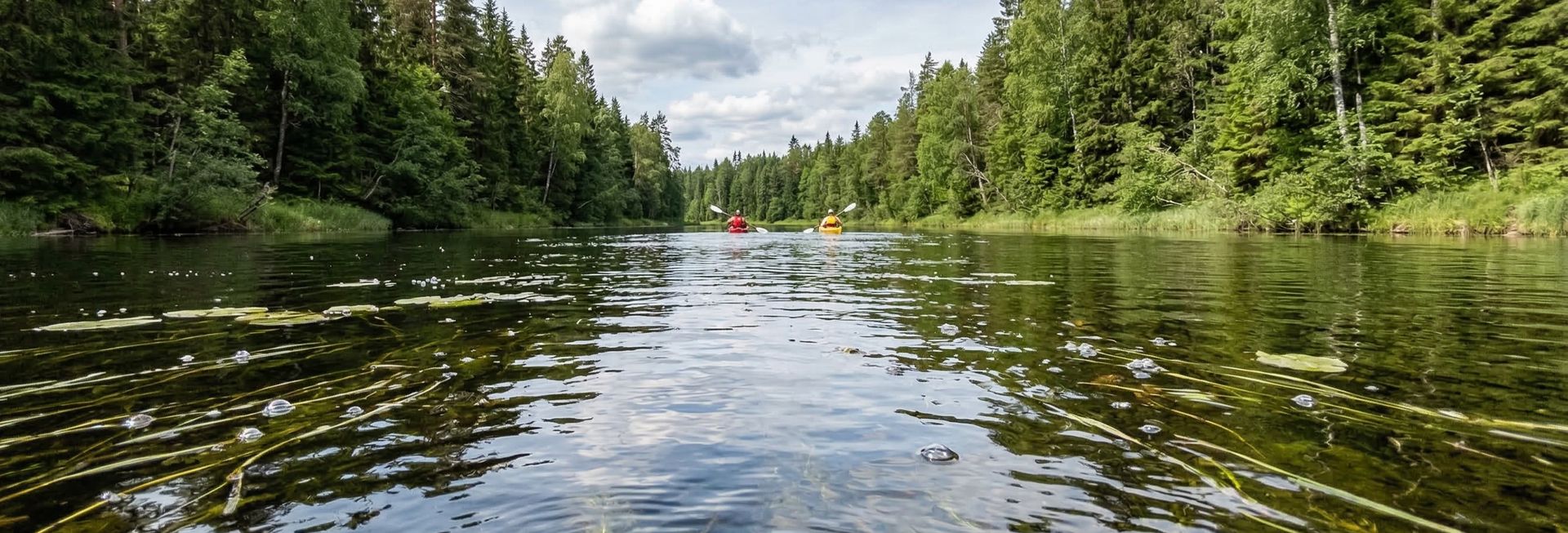
Inflatable kayaks solve storage and transportation problems that keep many people from getting on the water. You don't need roof racks, a garage, or a truck to enjoy paddling when your kayak packs into a duffel bag.
We evaluated inflatable kayaks based on construction quality, setup time, tracking performance, portability, and overall value. Our research draws from manufacturer specifications, extensive user reviews, expert analysis, and feedback from the paddling community. Whether you're a beginner looking for weekend lake adventures or an experienced paddler seeking a travel-friendly option, this guide covers kayaks across all price ranges and skill levels.
The best inflatable kayaks balance durability with performance. They track well enough for longer paddles while remaining stable for beginners. Setup should take 10 minutes or less, and the kayak should pack small enough for car camping or airline travel. Browse Inflatable Kayaks to explore more options beyond our top picks.
Top Picks
Sea Eagle SE370 Deluxe ($500-600): Best overall value with excellent durability and 650-pound capacity. Sets up in 8 minutes and tracks surprisingly well for a recreational kayak.
Advanced Elements AdvancedFrame ($400-500): Hybrid design with aluminum frame provides kayak-like performance. Popular choice for intermediate paddlers who want better tracking.
Sea Eagle 420x Explorer ($700-800): Premium tandem option that works well solo or with a partner. Built-in spray skirts and gear storage make it ideal for longer adventures.
Intex Challenger K1 ($100-150): Budget-friendly single kayak that's perfect for casual lake paddling. Basic but reliable for beginners testing the waters.
Aquaglide Chelan HB ($800-1000): High-end option with hybrid construction and exceptional build quality. Best for serious paddlers who want rigid kayak performance in an inflatable package.
Sea Eagle SE370 Deluxe
The SE370 Deluxe consistently earns praise from paddlers for its durability and versatility. Based on user reviews, this kayak handles everything from calm lakes to Class II whitewater, with a puncture-resistant hull that stands up to rocky shorelines. The 650-pound capacity accommodates larger paddlers or extra gear for camping trips.
Key Specs:
- Length: 12 feet 6 inches
- Weight: 32 pounds
- Capacity: 650 pounds
- Setup time: 8 minutes (according to manufacturer)
- Material: 38mm PolyKrylar hull
Best for: Paddlers who want one kayak for multiple water types. The high weight capacity and durable construction make it ideal for beginners who might drag it on shore or experienced paddlers planning multi-day trips on places like Lake Powell or Lake Tahoe.
Price Range: $500-600
Advanced Elements AdvancedFrame
The AdvancedFrame's aluminum ribs create a hybrid between inflatable and rigid kayaks. Reviewers consistently note improved tracking compared to all-inflatable designs, while maintaining the portability advantage. The pre-assembled aluminum frame speeds setup and creates defined bow and stern shapes that cut through water more efficiently.
Key Specs:
- Length: 10 feet 6 inches
- Weight: 36 pounds
- Capacity: 300 pounds
- Material: PVC Tarpaulin with aluminum frame
- Includes: Paddle, pump, repair kit
Best for: Intermediate paddlers who prioritize performance over maximum portability. The frame design makes it ideal for longer paddles on larger bodies of water where tracking matters most.
Price Range: $400-500
Sea Eagle 420x Explorer
The 420x Explorer targets serious inflatable kayak users with features typically found on rigid touring kayaks. User feedback highlights the integrated spray skirts, multiple air chambers for safety, and generous gear storage. At 14 feet long, it tracks well enough for coastal paddling while remaining stable for less experienced paddlers.
Key Specs:
- Length: 14 feet
- Weight: 47 pounds
- Capacity: 635 pounds (tandem) or 500 pounds (solo)
- Features: Spray skirts, gear loops, fishing rod holders
- Setup time: 12 minutes
Best for: Paddlers planning longer adventures or those who want tandem flexibility. The gear storage and weather protection make it suitable for coastal areas like Puget Sound or multi-day trips.
Price Range: $700-800
Intex Challenger K1
The Challenger K1 proves you don't need to spend big money to get on the water. Reviews from casual paddlers consistently mention its ease of use and adequate performance for recreational paddling. While it won't win any speed contests, the lightweight design and quick setup make it perfect for spontaneous lake trips.
Key Specs:
- Length: 9 feet
- Weight: 27 pounds
- Capacity: 220 pounds
- Includes: Paddle, pump, repair kit
- Setup time: 6 minutes
Best for: Budget-conscious beginners or paddlers who want a backup kayak for guests. The low weight and compact pack size work well for car camping or exploring smaller lakes like those found in the Adirondacks.
Price Range: $100-150
Aquaglide Chelan HB
The Chelan HB represents the premium end of inflatable kayaks with hybrid construction that approaches rigid kayak performance. Reviewers note the exceptional build quality and attention to detail, from the comfortable seating system to the efficient hull design. The higher price reflects materials and construction techniques typically reserved for expedition-grade equipment.
Key Specs:
- Length: 11 feet
- Weight: 35 pounds
- Capacity: 350 pounds
- Material: Drop-stitch floor with PVC sides
- Features: Adjustable seat, deck rigging, drain plug
Best for: Experienced paddlers who refuse to compromise on performance. The advanced construction justifies the price for those planning serious adventures or frequent use.
Price Range: $800-1000
Intex Explorer K2
The Explorer K2 brings tandem paddling to the budget category without sacrificing basic functionality. User reviews consistently praise its stability and roomy cockpit, making it popular with families and casual paddlers. While tracking suffers compared to higher-end models, the low price and two-person capacity create excellent value for recreational use.
Key Specs:
- Length: 10 feet 3 inches
- Weight: 30 pounds
- Capacity: 400 pounds
- Includes: Two paddles, pump, repair kit
- Cockpit: Spacious tandem design
Best for: Families or couples wanting to paddle together on a budget. The stability and low price make it ideal for introducing kids to kayaking on calm waters.
Price Range: $150-200
Advanced Elements Island Voyage 2
The Island Voyage 2 combines touring kayak features with inflatable convenience. Based on paddler feedback, the removable seats allow multiple configurations, from tandem touring to solo paddling with extra gear space. The longer length and defined keel design provide better directional stability than shorter recreational models.
Key Specs:
- Length: 13 feet 1 inch
- Weight: 46 pounds
- Capacity: 425 pounds
- Features: Removable seats, deck bungees, multiple handles
- Material: PVC tarpaulin construction
Best for: Paddlers who want versatility in seating configurations and plan longer trips. The length and features make it suitable for coastal paddling or large lakes where conditions can change quickly.
Price Range: $600-700
How to Choose an Inflatable Kayak
Construction and Durability
Look for kayaks with multiple air chambers and puncture-resistant materials. PVC construction offers good durability at lower prices, while drop-stitch floors provide rigidity approaching hard-shell kayaks. Reinforced seams and protective strips on the bottom extend lifespan when launching from rocky shores.
Size and Capacity
Match the kayak length to your intended use. Shorter kayaks (under 10 feet) prioritize maneuverability and storage convenience. Longer models (12+ feet) track better and handle wind more effectively. Always choose a weight capacity well above your body weight plus gear to maintain proper performance and safety margins.
Setup Time and Portability
Most quality inflatable kayaks set up in 6-12 minutes with the included pump. Consider pack size if you're hiking to remote launches or traveling by air. Kayaks with integrated frames take slightly longer to assemble but often provide better performance.
Performance Characteristics
Hybrid designs with aluminum frames or rigid sections track better than all-inflatable models. Drop-stitch floors create a more rigid platform that improves paddling efficiency. Consider your skill level and typical water conditions when balancing performance against convenience.
Accessories and Features
Entry-level kayaks include basic paddles and pumps that work but aren't optimal for extended use. Mid-range and premium models often include better accessories or allow upgrades. Features like spray skirts, gear storage, and adjustable seating become more important for longer adventures.
Frequently Asked Questions
How long do inflatable kayaks last?
Quality inflatable kayaks typically last 5-10 years with regular use and proper care. UV exposure and temperature extremes cause the most damage over time. Storing your kayak clean, dry, and out of direct sunlight significantly extends its lifespan. Higher-end materials like Hypalon can last even longer than PVC construction.
Can inflatable kayaks handle whitewater?
Many inflatable kayaks handle Class I-II whitewater well, with some models rated for Class III rapids. The Sea Eagle 420x and similar expedition-grade models feature multiple air chambers and reinforced hulls designed for rocky conditions. Always check manufacturer ratings and gain experience on calm water first.
Are inflatable kayaks slower than rigid kayaks?
Inflatable kayaks are generally 10-20% slower than comparable rigid kayaks due to hull flex and shape compromises. However, hybrid models with rigid frames or drop-stitch construction narrow this gap significantly. For recreational paddling, the speed difference matters less than convenience and storage benefits.
How do you repair punctures in inflatable kayaks?
Most punctures are easily repaired using the included patch kit and PVC cement. Clean the area, apply cement to both surfaces, wait for it to become tacky, then press the patch firmly. Allow 24 hours to cure before inflating. Larger tears may require professional repair or warranty replacement.
What's the best way to store an inflatable kayak?
Store your kayak clean, completely dry, and loosely folded or rolled to avoid permanent creases. Avoid areas with temperature extremes or UV exposure like garages or attics. Some paddlers prefer to store kayaks partially inflated if space allows, which eliminates fold stress on the material.
Looking for the perfect place to launch your new inflatable kayak? Find a launch point near you to start planning your next adventure.
Keep Reading
Best Kayak Life Jackets (PFDs) 2026
Find the best kayak PFD for your paddling style. Expert picks for fishing, touring, and everyday paddling based on fit, mobility, and value.
Read articleBest Kayak Paddles 2026
Find the best kayak paddle for your paddling style and budget. Expert picks from Werner, Aqua-Bound, Bending Branches, and Carlisle for 2026.
Read article