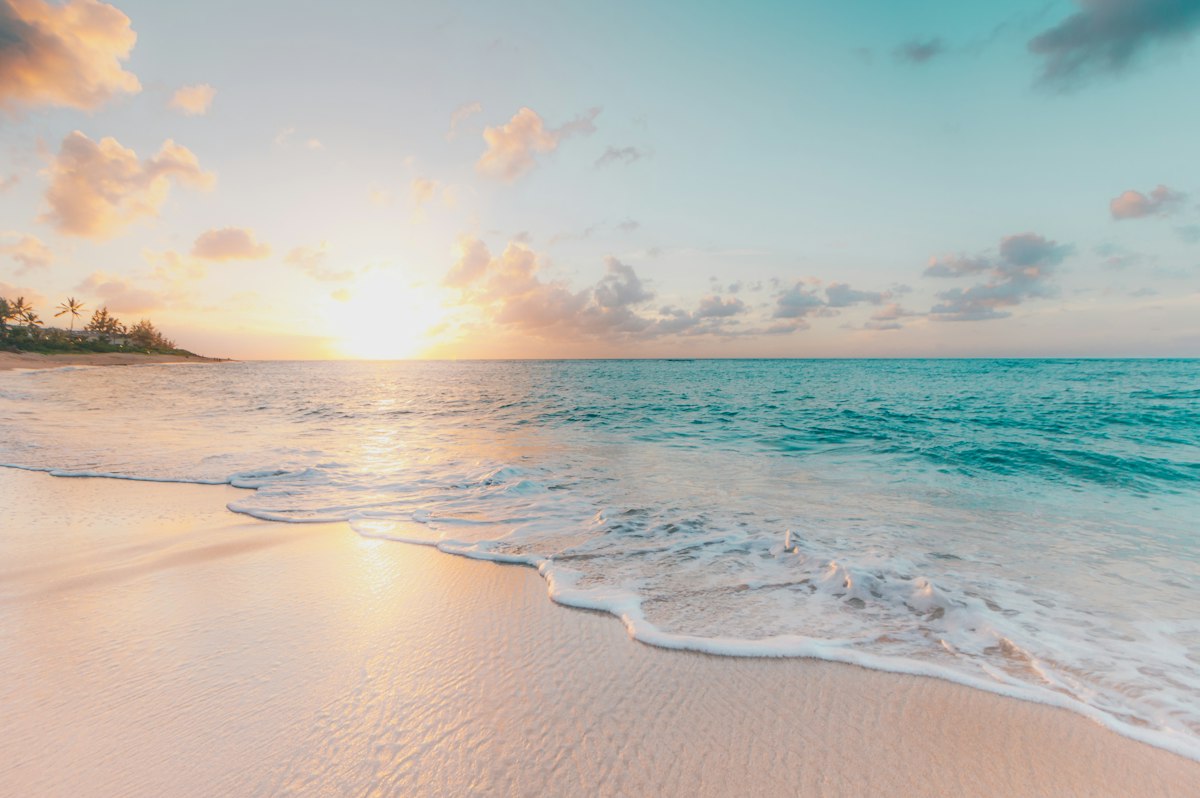
Paddling Outer Banks, NC
47 launch points · 3 water bodies · Best April through October
The Outer Banks is a 200-mile chain of barrier islands off North Carolina's coast, creating one of the most unique paddling environments on the East Coast. The protected sounds behind the islands — Currituck, Albemarle, Pamlico, and Roanoke — offer vast shallow-water paddling, while the ocean side delivers surf kayaking and open-water adventure. Maritime forests, salt marshes, and wild horses make every paddle here feel like an expedition.
Why Paddle Outer Banks
- ✓Vast protected sounds with shallow, warm water ideal for SUP and kayaking
- ✓Wild horse sightings while paddling the Currituck Sound near Corolla
- ✓Cape Hatteras National Seashore offers 70 miles of undeveloped coastline
- ✓World-class kayak fishing for red drum, speckled trout, and flounder
Where to Paddle in Outer Banks
Pamlico Sound
BeginnerThe largest lagoon on the US East Coast. Shallow, warm water perfect for SUP and kayaking. The sound side of Hatteras and Ocracoke islands has the best access with gentle conditions most days.
Currituck Sound
Beginner to IntermediateThe northernmost sound, adjacent to the Currituck National Wildlife Refuge. Paddle through salt marshes and look for the wild Banker horses along the Corolla shoreline. Shallow and wind-affected.
Roanoke Sound
BeginnerBetween Roanoke Island and the barrier islands near Nags Head. The Roanoke Marshes offer sheltered paddling with excellent birding. Manteo is the main launch point.
Top Launch Points

Sound Park
North Carolina · 17.4 mi

Manteo Waterfront Public Boat Ramp
North Carolina · 4.0 mi

Poplar Branch
North Carolina · 31.1 mi
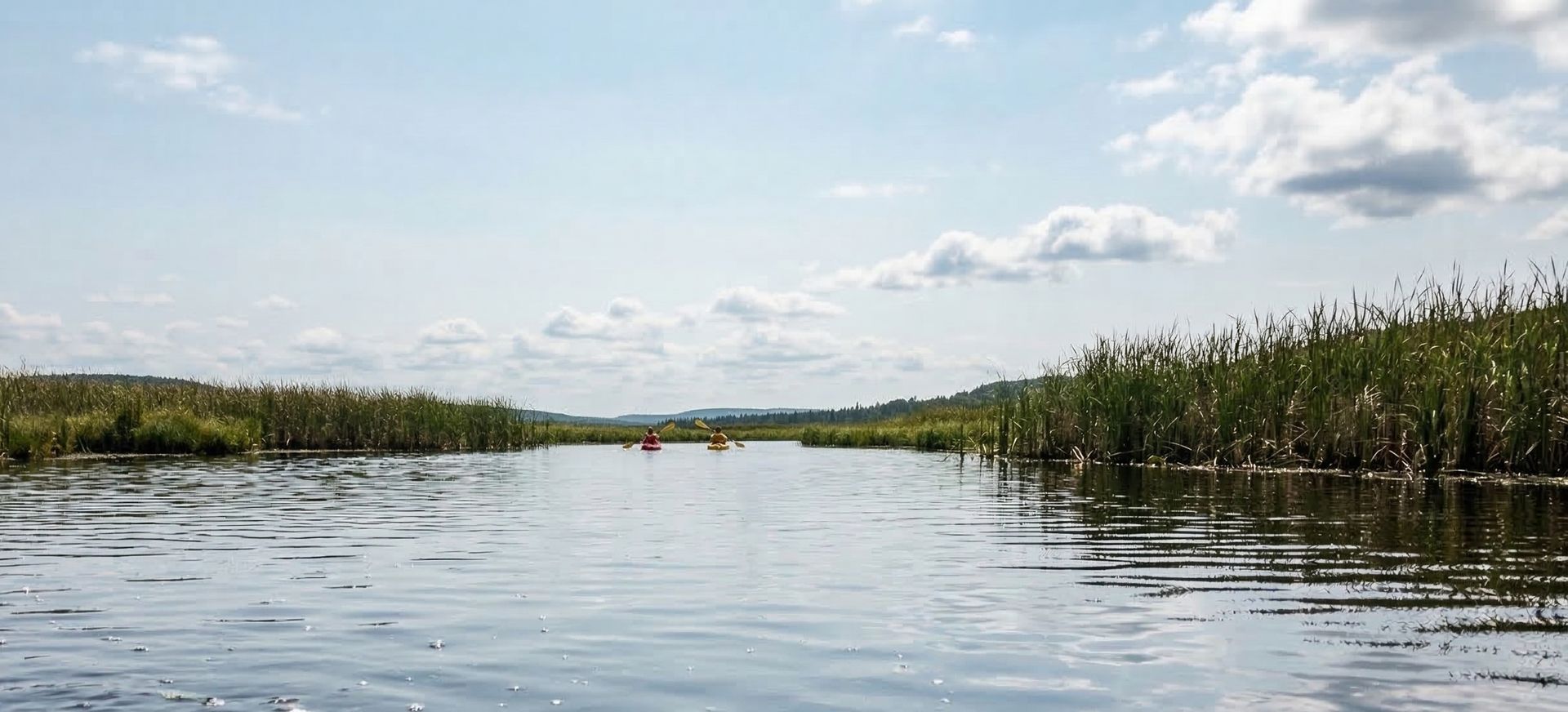
Washington Baum Bridge
North Carolina · 2.1 mi
Tulls Creek Boat Ramp
North Carolina · 49.7 mi

Bob Perry Boat Ramp
North Carolina · 13.3 mi
Swan Quarter
North Carolina · 53.4 mi

Crawford Boat Ramp
North Carolina · 10.8 mi
Local Tips for Outer Banks
- 1.Wind is the defining factor on the Outer Banks. Northeast winds can make the sounds rough and unpleasant. Check marine forecasts and paddle the lee side of the islands.
- 2.Sound-side paddling is almost always calmer than ocean-side. The sounds are shallow (3-6 feet average) and warm quickly in spring.
- 3.Afternoon thunderstorms are common May through September. Plan morning paddles and be off the water by early afternoon.
- 4.Sun exposure is extreme on the water with no shade. Wear UV-protective clothing, a hat, and apply sunscreen liberally.
- 5.Ferry to Ocracoke Island for a more remote and less crowded paddling experience. The sound side of Ocracoke is exceptional.
Activities
Difficulty Levels
Gear for Outer Banks
Make sure you have the right equipment for paddling in Outer Banks.
Frequently Asked Questions
What is the best area to kayak on the Outer Banks?
The Pamlico Sound side of Hatteras Island offers the best combination of calm water, scenery, and access. For wildlife, the Currituck Sound near Corolla is excellent. Manteo and Roanoke Island provide the most sheltered paddling.
Can beginners kayak the Outer Banks?
Absolutely. The sounds are shallow, warm, and generally calm. Multiple outfitters from Corolla to Ocracoke offer guided tours and rentals with instruction. The sound side is far more beginner-friendly than the ocean.
When is the best time to paddle the Outer Banks?
May through September for the warmest water. Spring and fall offer fewer crowds and pleasant air temperatures. Summer can be hot and humid with afternoon storms. April and October are shoulder seasons with good conditions.
Can you see wild horses while kayaking?
Yes. The wild Banker horses roam the northern beaches near Corolla. Paddling the Currituck Sound gives you a chance to spot them along the shoreline. Keep a safe distance and never approach or feed the horses.
Is ocean kayaking safe on the Outer Banks?
The ocean side has strong currents, surf, and shifting sandbars. Only experienced ocean kayakers should paddle the Atlantic side. The sounds are the safe choice for most paddlers.