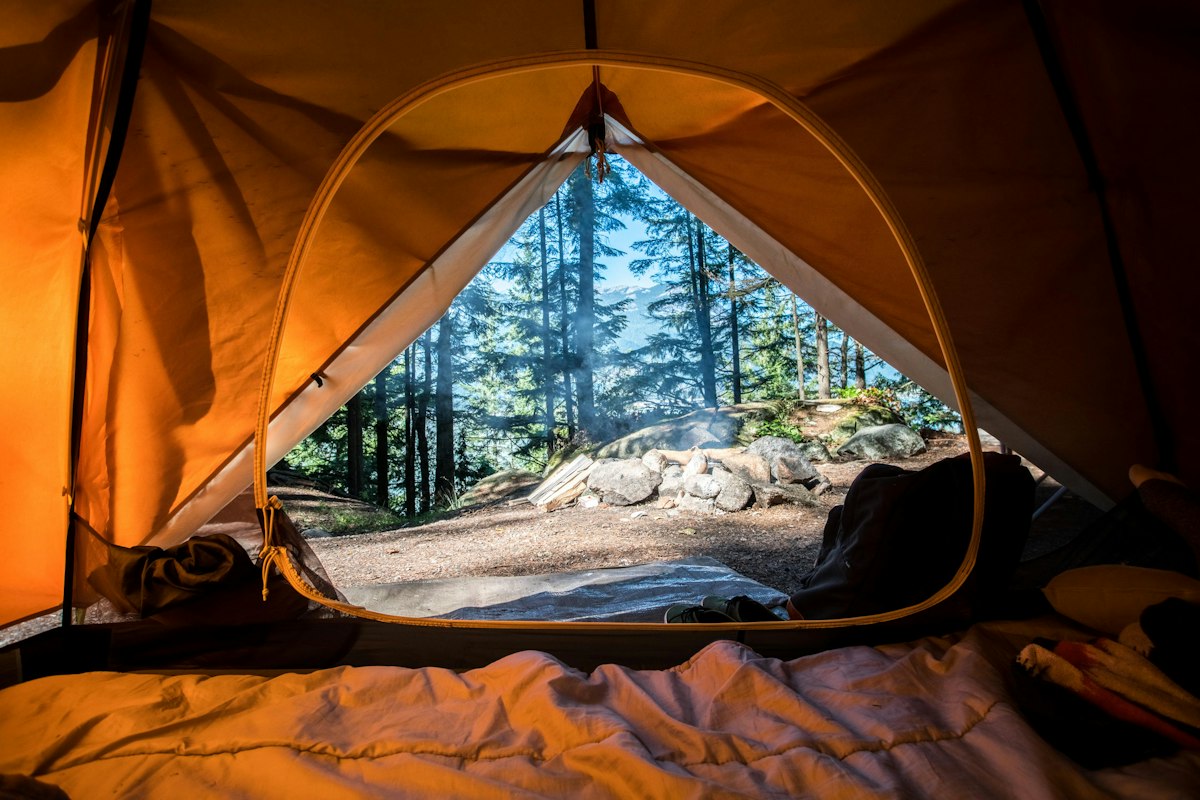
Paddling Boundary Waters, MN
50 launch points · 3 water bodies · Best May through September
The Boundary Waters Canoe Area Wilderness is the crown jewel of American canoe country. Over one million acres of pristine lakes, rivers, and boreal forest along the Canadian border, connected by historic portage trails. With over 1,100 lakes and 1,500 miles of canoe routes, this is paddling at its most wild and remote.
Why Paddle Boundary Waters
- ✓Over 1,100 lakes connected by portage trails through pristine wilderness
- ✓No motors allowed — the silence is part of the experience
- ✓World-class walleye, northern pike, and smallmouth bass fishing
- ✓Northern Lights visible on clear nights far from light pollution
Where to Paddle in Boundary Waters
Entry Point Lakes
Beginner to IntermediatePopular starting lakes like Moose Lake, Lake One, Sawbill Lake, and Snowbank Lake offer easy access and established campsites. Outfitters near each entry point rent canoes and provide shuttle services.
Interior Routes
Intermediate to AdvancedMulti-day routes through chains of lakes connected by portages. Classic routes include the Kawishiwi River loop and the Quetico border route. Portages range from 20 rods to over 300 rods.
Saganaga and Seagull Lakes
IntermediateLarge border lakes on the Gunflint Trail side. Open water can be challenging in wind, but the fishing and scenery are outstanding. Good for experienced paddlers seeking fewer crowds.
Top Launch Points
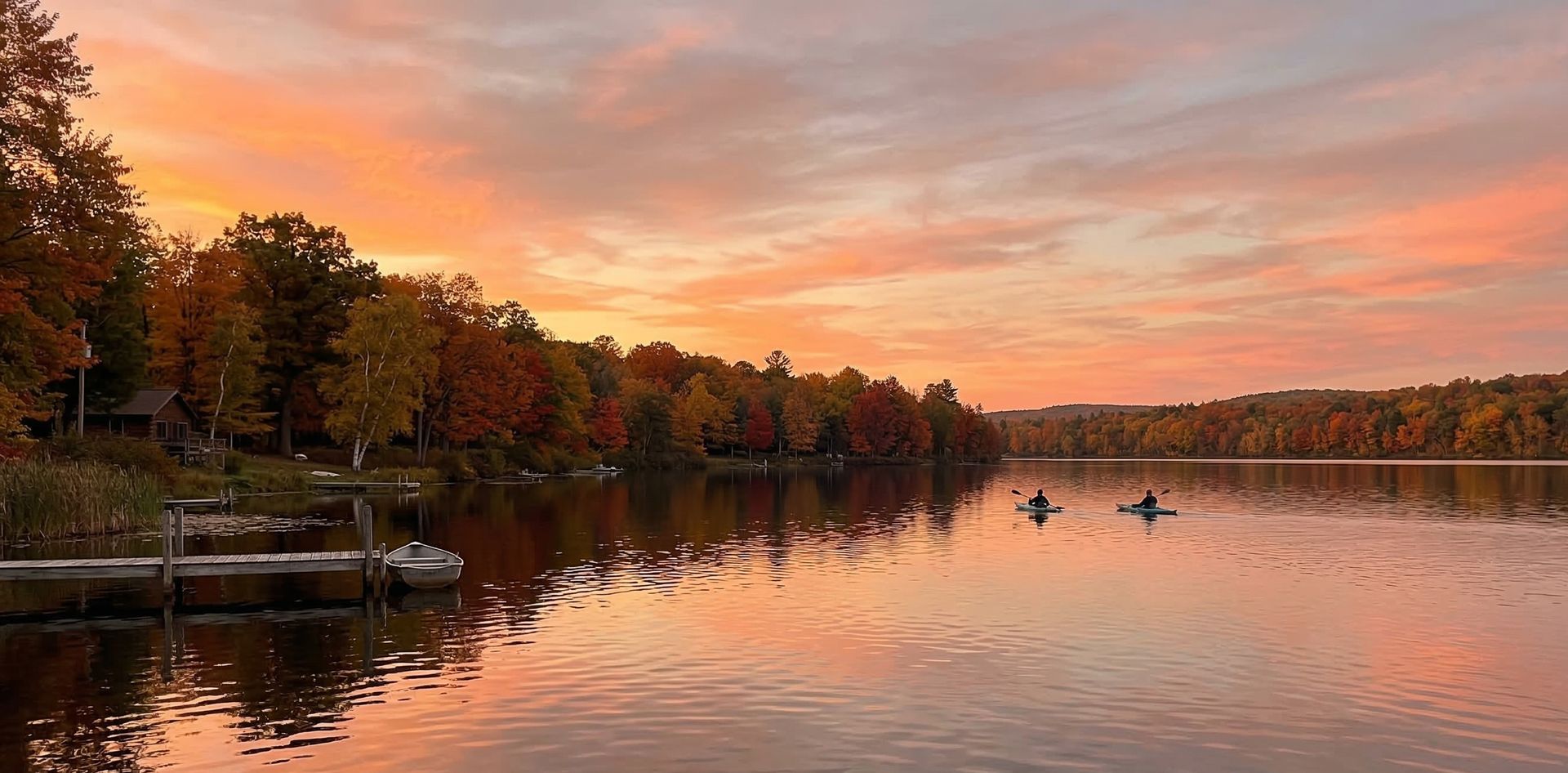
Lake Three Campsite
Minnesota · 6.9 mi
Lake One Entry Point (EP 30)
Minnesota · 8.4 mi

Fall Lake (South)
Minnesota · 16.2 mi

Pioneer Mine Pit
Minnesota · 19.3 mi

Sandy Point
Minnesota · 19.0 mi

Shagawa Lake (Southeast)
Minnesota · 18.1 mi
Shagawa Lake (Southwest)
Minnesota · 20.3 mi

McDougal Lake
Minnesota · 28.5 mi
Local Tips for Boundary Waters
- 1.Entry permits are required year-round and quota permits from May-September. Reserve at Recreation.gov starting in January — popular entry points sell out within hours.
- 2.Pack for portaging. Every pound matters when you're carrying gear over rocky trails between lakes. Ultralight canoes and dry bags are worth the investment.
- 3.Bug season peaks in June-July. Bring a head net, long sleeves, and DEET-based repellent. By August, bugs are manageable.
- 4.Hang your food in bear bags or use bear canisters. Black bears are common and active throughout summer.
- 5.Wind can make large lake crossings dangerous. Check weather before crossing open water and stay close to shore when possible.
Activities
Difficulty Levels
Gear for Boundary Waters
Make sure you have the right equipment for paddling in Boundary Waters.
Frequently Asked Questions
Do I need a permit for the Boundary Waters?
Yes. Overnight visitors need a quota permit from May through September, available through Recreation.gov. Day-use permits are self-issued at entry points. Permits are limited and popular dates sell out quickly.
What is the best time to visit the Boundary Waters?
Late August through mid-September offers the best combination of warm days, cool nights, minimal bugs, and fall color. June is beautiful but buggy. July is peak season with the most crowds.
Can beginners canoe the Boundary Waters?
Yes, with preparation. Choose an entry point with short or no portages (like Lake One or Fall Lake) and plan a 2-3 night trip on established routes. Many outfitters in Ely and along the Gunflint Trail offer guided trips for first-timers.
What should I bring to the Boundary Waters?
Essential gear includes a canoe, paddles, PFDs, water filter, bear hang rope, rain gear, cooking system, and a good map (Fisher or McKenzie). Outfitters can provide complete gear packages if you don't have your own.
Where do I access the Boundary Waters?
The two main gateway towns are Ely (south side, most entry points) and Grand Marais/Gunflint Trail (east side). Both have multiple outfitters offering canoe rentals, shuttles, and complete trip planning.